

Three Institutions That Shaped the Modern Global Economic Order
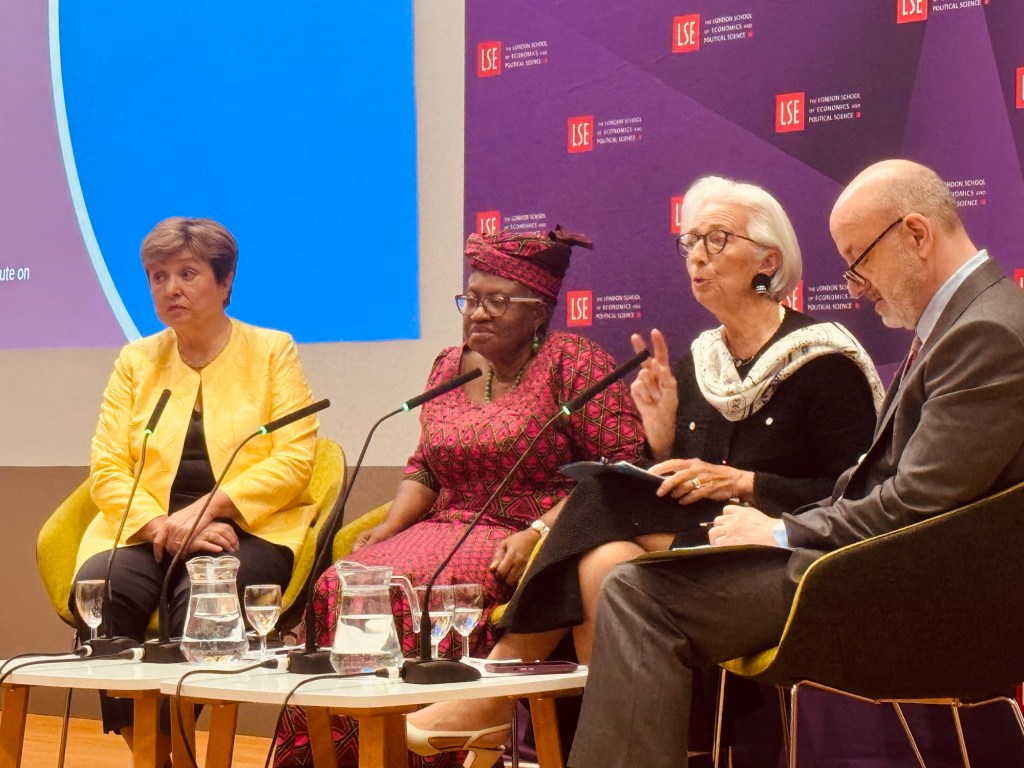
The IMF, WTO and ECB were each born at pivotal moments of structural transformation in the international system.
Together, they represent three pillars of modern economic governance: monetary stability, global trade, and central banking authority.
International Monetary Fund
Founded at Bretton Woods in 1944, the IMF was created by 44 Allied nations to restore monetary order after the devastation of the Great Depression and the Second World War. Its purpose was to promote exchange-rate stability, international monetary cooperation, and sovereign financial resilience.
World Trade Organization
Established on 1 January 1995, the WTO emerged from the Uruguay Round and the Marrakesh Agreement, replacing the earlier GATT framework. It was designed to provide a stronger institutional foundation for global trade rules, dispute resolution, and market access across goods, services and intellectual property.
European Central Bank
Founded on 1 June 1998 in Frankfurt, the ECB was created as the central monetary authority of the euro area under the European Monetary Union project. Built on the legal foundations of the Maastricht Treaty, it became the institution responsible for price stability, euro-area monetary policy, and the credibility of the single currency.
 Agris F1